

28 September 2026
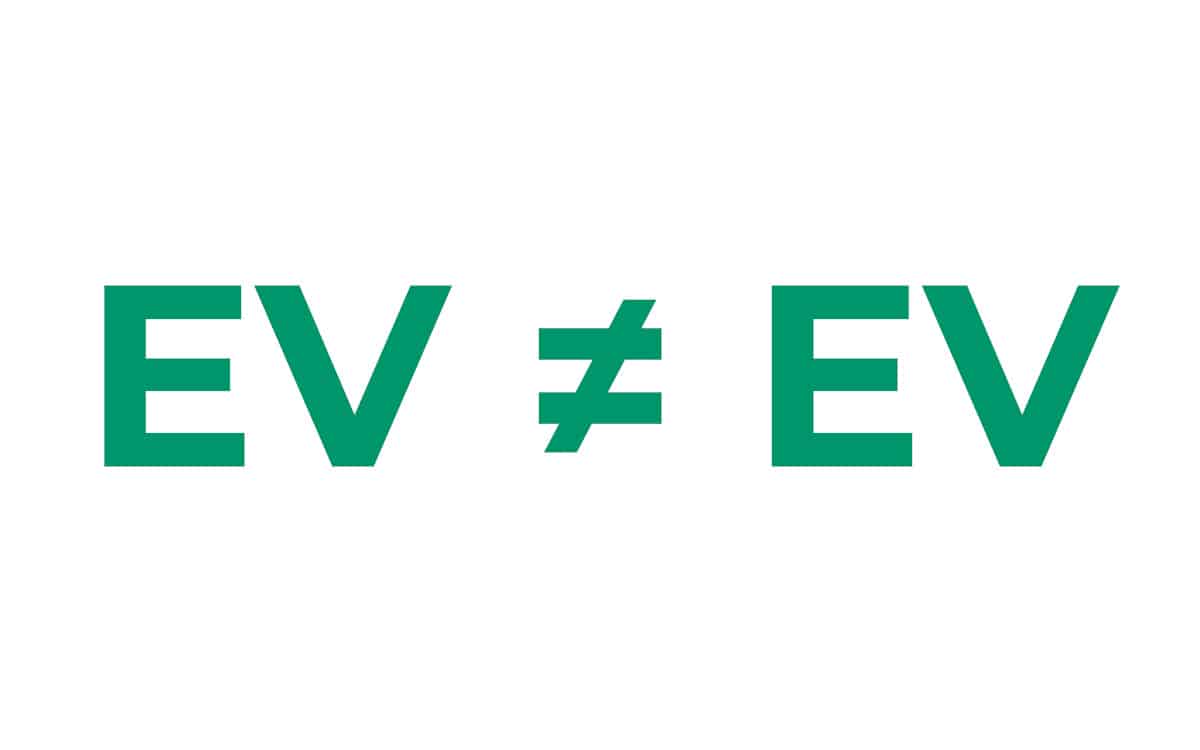
A company valued at €6 million does not necessarily leave €6 million to its shareholders. Net debt, cash, working capital and other adjustments can change the value of the shares and the amount ultimately paid at closing.
A company valued at €6 million does not necessarily leave €6 million to its shareholders. Net debt, cash, working capital and other adjustments can change the value of the shares and the amount ultimately paid at closing.

A letter of intent can define the price, transaction structure, exclusivity, conditions and the business owner's role after the sale. Understanding what you are agreeing to before signing is essential to protect your alternatives and maintain control of the negotiation.

Receiving more than one offer for your company does not mean choosing the buyer with the highest price. Cash at closing, earn-outs, warranties, the entrepreneur's future role and certainty of completion can significantly change the final outcome.

When an entrepreneur thinks about the value of their company, the focus almost always goes to revenue, margins, EBITDA and growth prospects. Much less often, the starting point is an apparently operational question: how much capital is tied up in inventory?

The EBITDA in your financial statements is a starting point, not an endpoint. In a structured M&A process, it is analysed and adjusted to arrive at a normalised EBITDA that reflects the real and sustainable profitability of the business.

When an entrepreneur considers selling their company or finding an industrial partner, the process is often viewed as a contact-driven activity, with a strong focus on costs and success fees.

Deciding to sell your company is a strategic choice. Deciding how to manage the process is equally critical.

When an entrepreneur begins to consider selling their company, the question is almost always the same: how much is my SME worth? The most common answer is a number obtained by applying a multiple to EBITDA. It is a useful reference point, but it is not the price.

Selling a company does not necessarily mean stepping away. More and more entrepreneurs choose to sell a majority stake while remaining involved, taking on a role as president or strategic advisor.

When an entrepreneur decides to sell their company, the choice of buyer is as crucial as the price. For SMEs, two of the most common counterparties are private equity funds and family offices.

