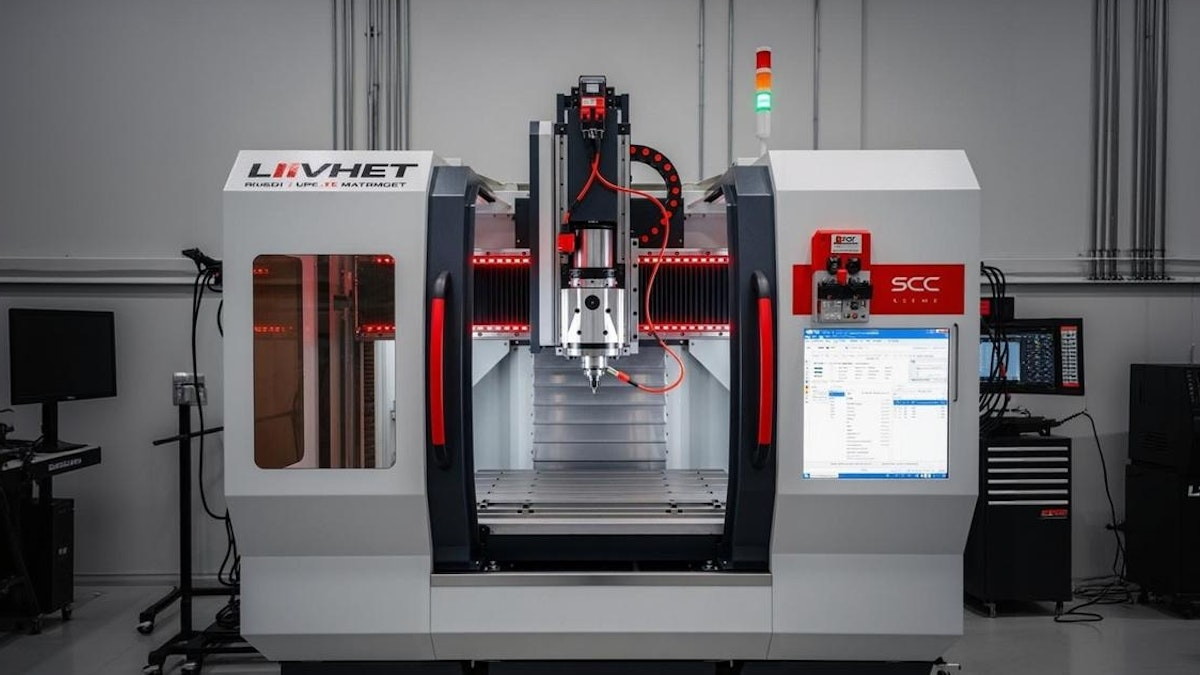


An SME can report strong results despite ageing machinery and delayed investment. During a sale, however, the capital required to maintain production may affect the company’s valuation and the terms of the transaction.
If production continuity, know-how and key decisions depend on one production manager, a valuable employee can become a significant risk during the sale of an SME.
Supplier dependence arises when an SME cannot ensure operational continuity, margins or delivery times without relying on a small number of key suppliers.
For an SME, winning a major customer can feel like a turning point. Revenue increases, reputation improves, and the company gains credibility with banks, suppliers and the market.
In many SMEs, the same scene repeats itself every week. An important customer calls the entrepreneur directly. The most delicate negotiation lands on their desk. An out-of-policy discount needs their approval. The sales team manages the relationship, but when the decision really matters, the founder steps in.
There are companies that work very well, as long as the same person is always present. The founder knows the clients, decides prices, solves production problems, deals with the banks, reads the numbers, manages suppliers and keeps people aligned. Everything works because he or she is there. Always.
An unsolicited company valuation can influence expectations long before a structured sale process begins. But a number expressed informally rarely reflects the real market value of an SME. This article explains why hearsay value can be misleading and how to build a credible valuation.
When an entrepreneur begins to consider selling their company, the first question often concerns its value. However, what the market recognizes does not depend solely on financial performance, but on how those results are built, sustained, and replicated over time.
Many acquisition-driven growth strategies fail not during negotiations, but much earlier. The issue is not a lack of opportunities, but the absence of clear criteria.
When an entrepreneur decides to sell their company, the due diligence of an SME is often perceived as a technical, almost notarial phase, required to reach closing without issues.