


23 November 2026
A trademark owned by the founder, software developed by a supplier or a licence that needs reviewing. Before a sale, establish which rights will remain available to the business.
A trademark owned by the founder, software developed by a supplier or a licence that needs reviewing. Before a sale, establish which rights will remain available to the business.

Financial statements, current figures, contracts and commercial information are needed at different stages of a business sale. Knowing what to collect, who should prepare it and when to share it helps owners approach buyers with consistent, reliable information.

Financial statements and EBITDA do not always explain how an SME actually generates its results. During a sale process, a buyer may want to analyse margins by customer, product, channel or market. Preparing this information in advance helps the company enter negotiations with clearer, more consistent and verifiable data.
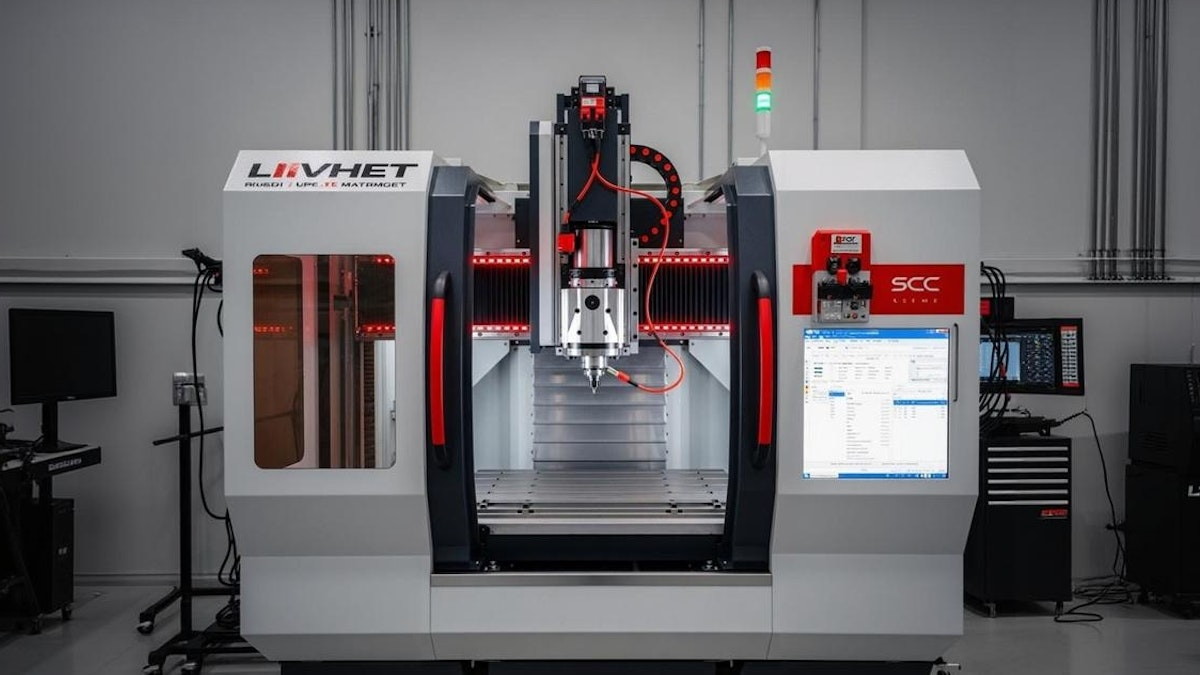
An SME can report strong results despite ageing machinery and delayed investment. During a sale, however, the capital required to maintain production may affect the company’s valuation and the terms of the transaction.

Many SMEs own the factory, offices or premises where they operate. For the entrepreneur, the property often represents financial strength and the result of investments made over many years.

If production continuity, know-how and key decisions depend on one production manager, a valuable employee can become a significant risk during the sale of an SME.

Supplier dependence arises when an SME cannot ensure operational continuity, margins or delivery times without relying on a small number of key suppliers.
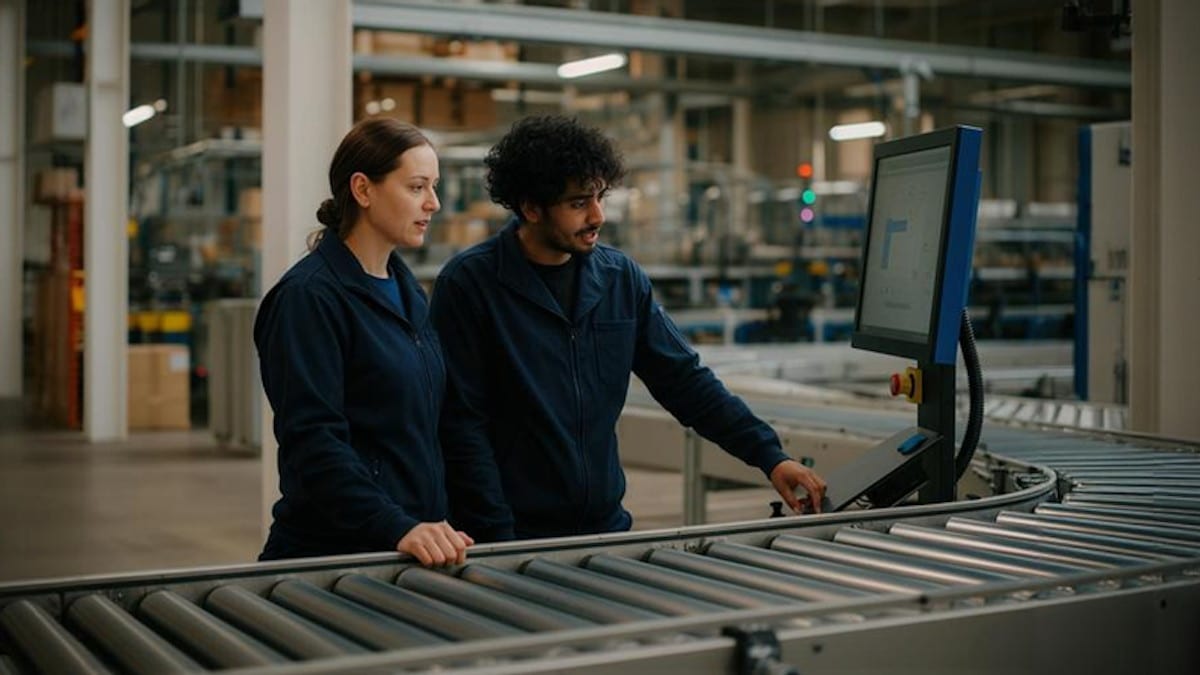
When an entrepreneur thinks about the value of their company, the focus almost always goes to revenue, margins, EBITDA and growth prospects. Much less often, the starting point is an apparently operational question: how much capital is tied up in inventory?

For an SME, winning a major customer can feel like a turning point. Revenue increases, reputation improves, and the company gains credibility with banks, suppliers and the market.

In many SMEs, the same scene repeats itself every week. An important customer calls the entrepreneur directly. The most delicate negotiation lands on their desk. An out-of-policy discount needs their approval. The sales team manages the relationship, but when the decision really matters, the founder steps in.

