

2 July 2026
Pozzi Milano continues its external growth strategy with the planned acquisition of IVV Italia and Forma Italia, two Italian companies operating in the tableware, home decor and giftware sectors.
Pozzi Milano continues its external growth strategy with the planned acquisition of IVV Italia and Forma Italia, two Italian companies operating in the tableware, home decor and giftware sectors.
Pozzi Milano continues its external growth strategy with the planned acquisition of Thun’s former Unitable Division, a business unit operating in the design and home decor sector.

For many SMEs, the first acquisition does not begin with a large-scale consolidation plan. It starts much closer to home.

Winnerge supported Summeet in the acquisition of Victory Project Congressi, strengthening its market position and expanding its industrial capacity.

Winnerge supported Castellini in acquiring Lazzari through analysis, due diligence and negotiation, turning the deal into sustainable industrial growth.

In many business cultures, especially in Italy, selling a company to a direct competitor is still seen as a last resort. Entrepreneurs often fear it signals defeat, the loss of market control, or even the end of their legacy.

When it comes to selling a company, the real question is not whether to sell, but to whom. Each buyer type, whether a private equity fund, an industrial partner or a direct competitor, has a unique approach to valuation and distinct goals for the company’s future.

Italian SMEs remain the backbone of the national economy. Yet they increasingly struggle with systemic issues: limited access to skilled talent, inability to scale, high technology investment costs, and pressure from more structured competitors.

In March 2025, Sammontana, a historic family-owned Italian company in the ice cream sector, acquired La Rocca Creative Cakes, a Canadian company specializing in premium cakes.
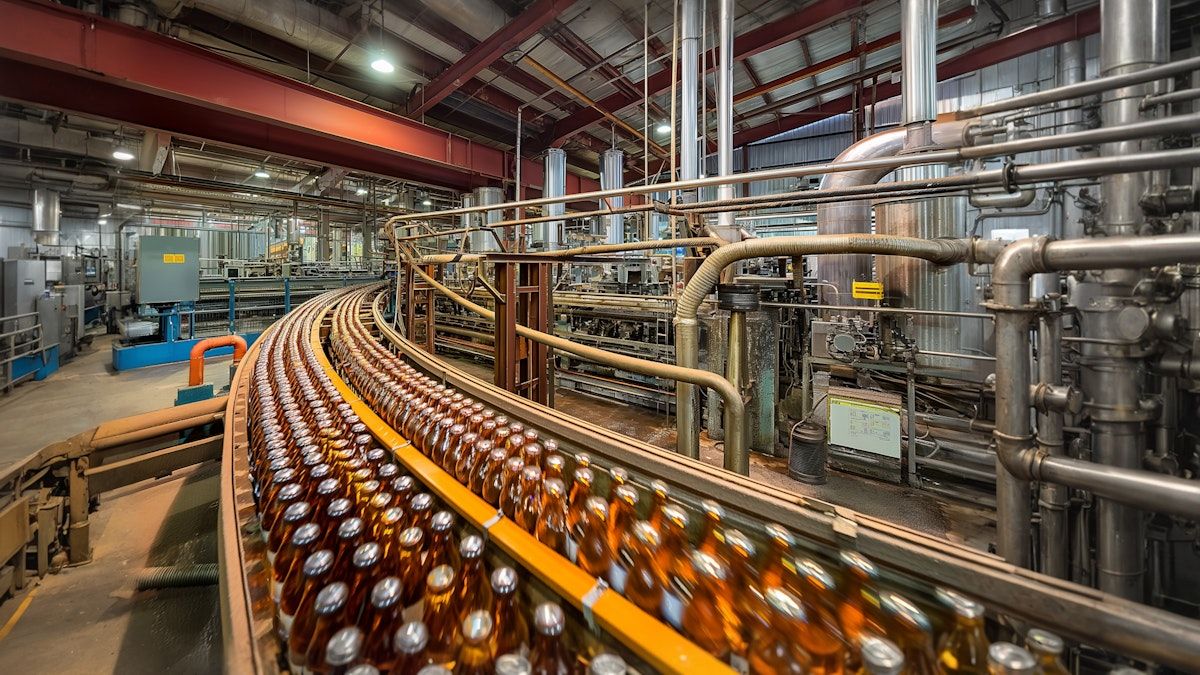
Italian small and medium-sized enterprises are facing mounting pressure on their operating margins. Rising energy, raw material and logistics costs—combined with geopolitical and trade instability—are forcing businesses to rethink their strategies.

