


3 September 2025
Selling an SME requires method: mistakes such as unrealistic valuations, poor preparation or the wrong buyer can destroy value. Planning and transparency ensure continuity and success.
Selling an SME requires method: mistakes such as unrealistic valuations, poor preparation or the wrong buyer can destroy value. Planning and transparency ensure continuity and success.
Winnerge acted as sell-side advisor to the ownership of DOMENIS1898, working closely with Alain Rubeli throughout the entire process. Together, we shaped a transaction based on clear industrial objectives and the ambition to secure a solid and coherent future for the company.

In recent years, more and more Italian SMEs have been approached by private equity funds. A phone call, an email, a LinkedIn message: "We’re interested in your company. Can we talk?"

Buy-side mergers and acquisitions (M&A) are crucial for companies looking to expand, enhance competitiveness, and create new growth opportunities. The Winnerge method consists of three key phases, designed to ensure the success of the acquisition.
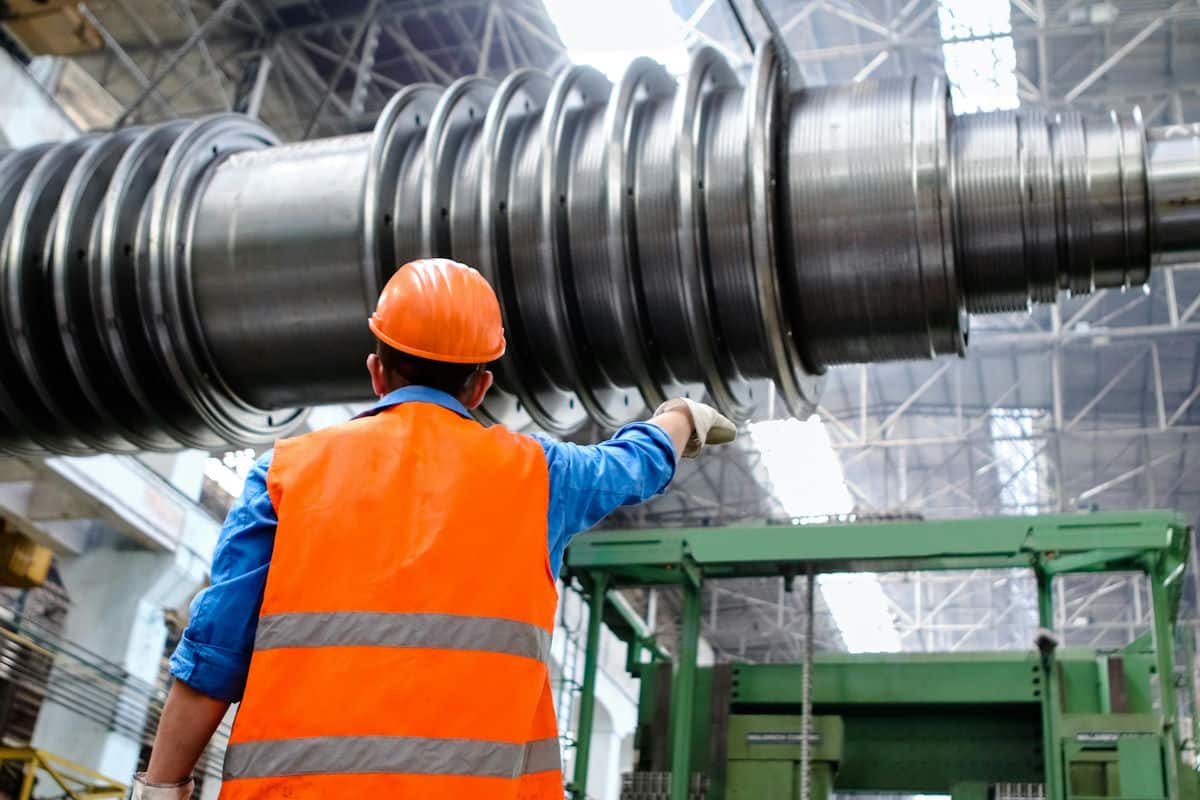
There are several reasons why a manufacturing SMEs might decide to engage in a sell-side M&A process. Whether it's to sell a part or the entire business, or to integrate with a larger entity, each step of the process requires careful planning. In this article, we will explore the stages of selling, from strategic analysis to finding buyers, all the way to final negotiations, with the support of Winnerge experts.

The company, part of a corporate group, consisted of two divisions:
By the end of 2021, the group needed to monetize a non-strategic asset.
With Winnerge’s assistance, the value of the Incentive asset was maximized and then sold for cash.
In early 2022, the branch was sold for a total of 1.45 million euros, with 1.25 million euros received in cash.
The entire subsidiary had been acquired in 2019 for 2.6 million euros through the issuance of new shares.

