

Enterprise Value and Equity Value: what you actually receive
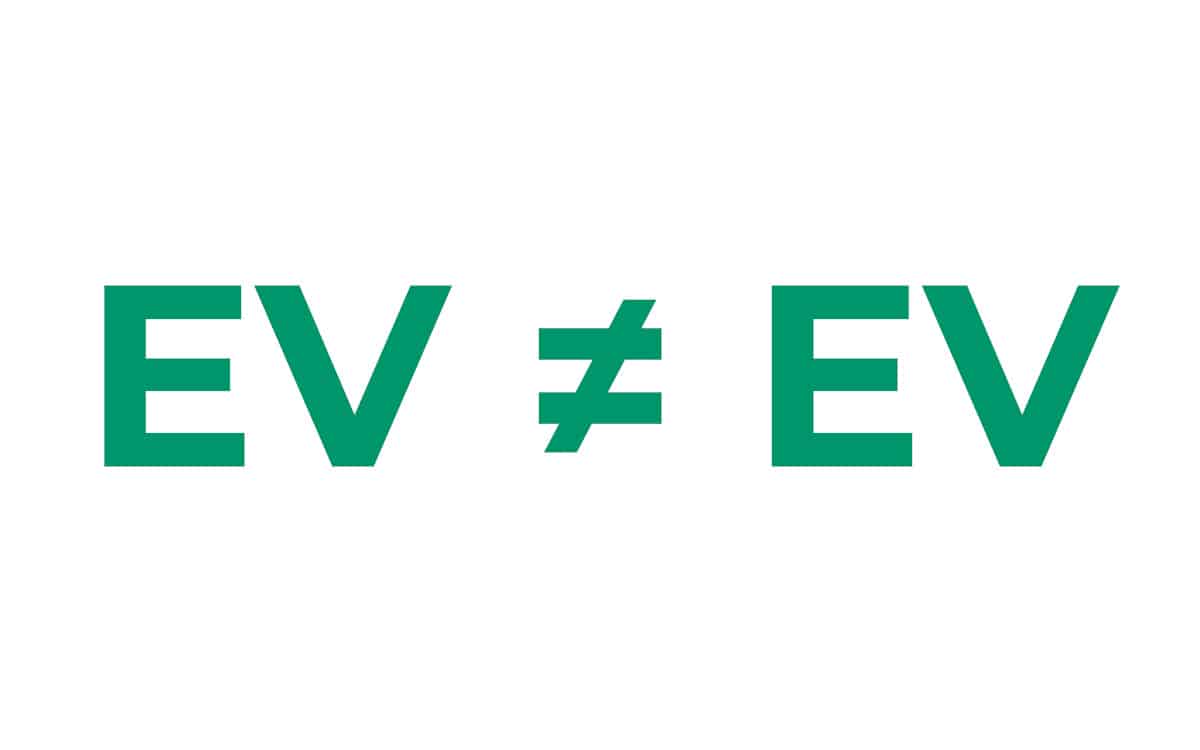
When a company is valued at €6 million, it is natural to assume that this is also the amount shareholders could receive if they sold it.
In M&A transactions, however, the value of the business and the value of the shares do not necessarily coincide. Debt, cash and other potential adjustments sit between the two and can materially change the final outcome.
This is the difference between Enterprise Value and Equity Value. Two technical terms, but with a very practical implication for a business owner: understanding how much of the value attributed to the company can actually translate into the price paid to shareholders.
From business value to equity value
In simple terms, Enterprise Value represents the value of the company’s operating business, regardless of how it is financed.
It may be derived, for example, by applying a multiple to EBITDA after assessing the quality and sustainability of the company’s financial performance. But it does not necessarily represent the value of the shares held by the shareholders.
To arrive at Equity Value, the company’s financial position must also be taken into account.
The distinction matters because two SMEs with the same Enterprise Value can have very different Equity Values. A company with significant debt may start from the same operating valuation as another company with substantial cash, but the outcome for shareholders can be materially different.
A company valued at €6 million may leave shareholders with €5.2 million
Consider a company with an Enterprise Value of €6 million.
Assume it has €1.2 million of financial debt and €400,000 of cash. Its net debt is therefore €800,000.
In a simplified example, deducting this €800,000 from Enterprise Value results in an Equity Value of approximately €5.2 million.
The original €6 million has not disappeared. It still represents the value attributed to the operating business. What has changed is the measure we are looking at.
The first figure represents the value of the business. The second represents, based on the assumptions used, the value attributable to the shareholders’ equity.
For a business owner considering a sale, this distinction is essential. Knowing that the company is “worth €6 million” is not enough unless it is clear what that figure actually represents.
Debt and cash are not always the end of the calculation
In a real transaction, the bridge between Enterprise Value and Equity Value can be more complex than in the previous example.
The parties first need to define which items should be treated as debt and which should be treated as cash. Shareholder loans, exceptional liabilities, overdue payables and other items may also become relevant depending on how the purchase price is defined.
These issues may appear secondary until they are translated into euros.
Seller and buyer can be fully aligned on the value of the operating business and still find themselves discussing different figures when the conversation moves to the value of the shares.
A useful valuation should therefore make clear not only the final figure, but also what that figure includes and which assumptions have been used to determine it.
Working capital can also affect the price
Working capital is another factor that can affect the final purchase price.
A buyer will normally expect to acquire a company in a condition that is consistent with its ordinary course of business, with appropriate levels of trade receivables, trade payables and inventory.
For this reason, the transaction may establish a working capital level considered normal for that particular business. The actual position at closing is then compared with the agreed target.
If working capital is below the agreed level, the purchase price may be reduced. If it is above the agreed level, the mechanism may have the opposite effect.
Returning to the previous example, an Equity Value of €5.2 million could therefore fall to €5 million if there were a negative working capital adjustment of €200,000.
Working capital does not change the principle behind the original valuation. It is one of the factors that can affect the bridge between the value attributed to the business and the price ultimately determined in the transaction.
The price of the shares is not necessarily the amount paid at closing
Even once the price for the shares has been determined, there is one further distinction to make.
Agreeing a price of €5 million does not necessarily mean that €5 million will be paid to shareholders on the closing date.
Part of the consideration may be deferred. Another portion may depend on the achievement of future performance targets through an earn-out. The transaction may also provide for amounts to be temporarily retained as security for specific contractual obligations.
Assume, for example, that €500,000 of an agreed €5 million price is linked to an earn-out. Shareholders would receive €4.5 million at closing, while the remaining amount would depend on whether the agreed conditions are subsequently met.
The value of the shares and the payment structure are therefore two different aspects of the same transaction.
Three figures that should not be confused
To interpret a valuation correctly, it is useful to distinguish between three different figures.
The value of the operating business, expressed by Enterprise Value.
The value of the shares, or Equity Value, determined after taking into account the financial position and any other agreed adjustments.
The amount paid at closing, which also depends on how the purchase price is structured.
In some transactions these figures may be relatively close. In others, they can differ significantly.
The distinction becomes particularly important when a business owner uses a valuation to decide whether a potential sale is consistent with their objectives. A figure that initially appears satisfactory may take on a different meaning once the full bridge to the amount attributable to shareholders has been reconstructed.
Understand what the valuation represents before making a decision
Knowing that a company is worth €6 million is important information, but it is not the complete picture.
Before translating that figure into the potential outcome of a sale, it is necessary to understand whether it represents Enterprise Value or Equity Value, which financial position has been taken into account, which other adjustments may apply and how the purchase price would be paid.
The company valuation remains the starting point. For the business owner, however, the next step is to understand how that value can translate into the price of the shares and how much of that price would actually be available at closing.
This is what turns a theoretical valuation into information that can genuinely support a decision.
FAQ
If my company is worth €6 million, does that mean I can sell the shares for €6 million?
Not necessarily. If the €6 million represents Enterprise Value, the company’s financial position and any adjustments provided for in the transaction must also be taken into account to arrive at the value of the shares.
What is the difference between Enterprise Value and Equity Value?
Enterprise Value represents the value of the operating business. Equity Value represents the value attributable to the shares after taking into account the financial position and the other items used to determine the purchase price.
Does cash held by the company increase Equity Value?
In a pricing structure that starts from Enterprise Value, cash can increase Equity Value because it reduces net debt. The actual treatment of cash will, however, depend on what the parties agree as part of the transaction.
Why can working capital affect the purchase price?
Because a buyer expects to acquire a company with a level of working capital consistent with normal operations. A difference between the actual working capital at closing and the agreed target can therefore result in a purchase price adjustment.
Are Equity Value and the amount paid at closing the same?
Not always. The payment structure may include deferred consideration, earn-outs or amounts temporarily retained. The amount received at closing can therefore be lower than the overall price agreed for the transaction.
How much do shareholders actually receive after the sale?
To determine the final amount, taxation, transaction costs and the structure of the sale must also be considered. These factors are separate from the bridge between Enterprise Value and Equity Value covered in this article.
LOOKING FOR A CONFIDENTIAL MEETING WITH US?
Choose the channel you prefer for a first confidential contact.

