


22 January 2025
The CES 2025 in Las Vegas showcased a future advancing at lightning speed.
The CES 2025 in Las Vegas showcased a future advancing at lightning speed.

M&A in Italy maintains its central role in the national economy. Recent reports from EY and KPMG clearly highlight that the mergers and acquisitions market is experiencing significant growth.

Italy is synonymous with craftsmanship, tradition, and innovation—qualities that have made Made in Italy renowned worldwide. However, many historic brands risk disappearing due to ineffective management, lack of innovation, or simply the absence of generational succession.

In today’s economic landscape, marked by intense global competition and rapid technological transformations, small and medium-sized enterprises (SMEs) must constantly reinvent themselves to stay competitive.

Internationalization is a pivotal opportunity for Italian SMEs aiming to expand into foreign markets. Discover how M&A transactions can break down cultural and regulatory barriers, optimize resources, and accelerate growth, turning global challenges into tangible competitive advantages. Success lies in careful planning and strategic execution.

The Assumption Book is a critical strategic tool for buyside acquisition operations. It establishes criteria, priorities, and post-acquisition simulations to guide target selection and integration planning.

In today’s economic climate, SMEs face a pivotal strategic decision: continue battling within competitive markets or seek out new growth spaces where competition is minimal and the value created is both unique and enduring.

A SME entrepreneur opting for M&A to expand the business faces significant opportunities, but also complex risks. A high risk appetite can cloud strategic judgment, leading to reckless decisions. An experienced advisor is essential to mitigate risks and ensure successful post-acquisition integration.

Today, more than ever, Italian SMEs are at a critical crossroads: either evolve into acquirers by taking over other companies, or accept being acquired by larger and more structured players.
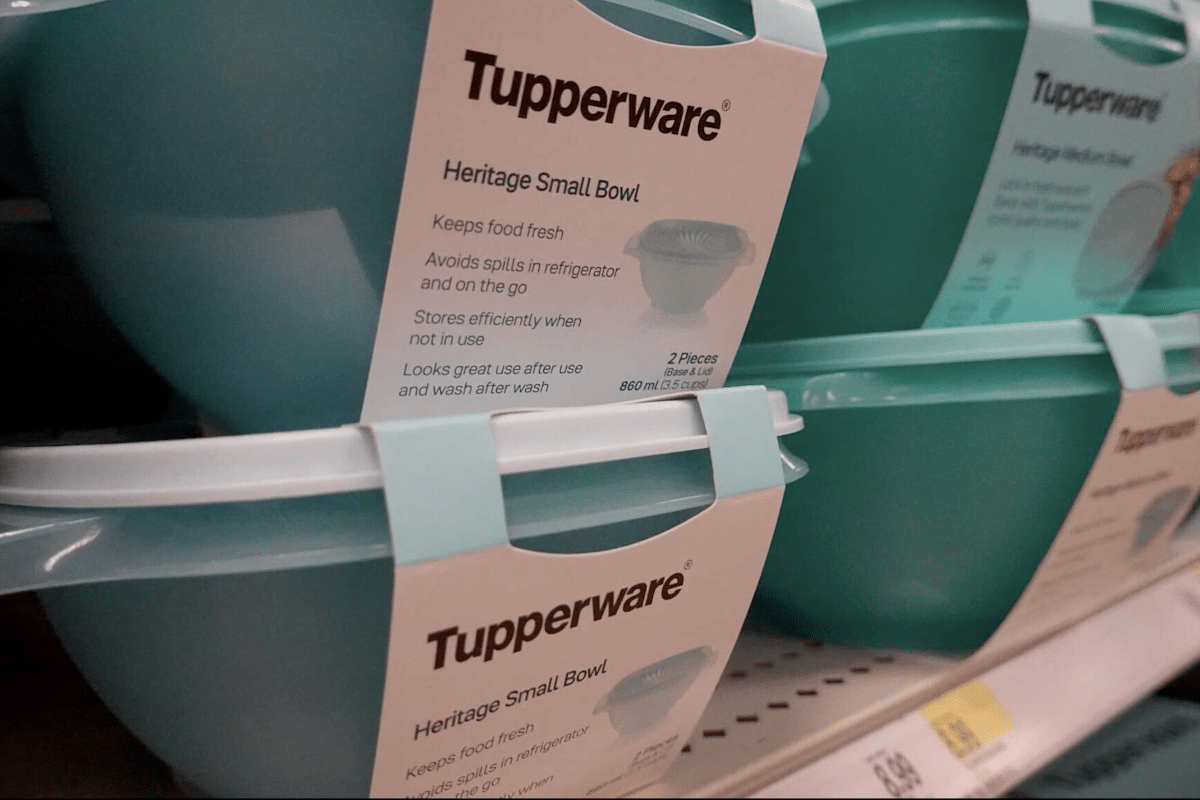
Tupperware, a 20th-century icon, declared bankruptcy a few days ago. The brand that revolutionized food storage has been overtaken by a fast-changing market, where shifts in consumer habits and new technology left no room for old business models. But how did it come to this?

