

Buy-side mergers and acquisitions (M&A) are crucial for companies looking to expand, enhance competitiveness, and create new growth opportunities. The Winnerge method consists of three key phases, designed to ensure the success of the acquisition.

The adoption of ESG (Environmental, Social, and Governance) criteria is becoming increasingly strategic, offering numerous advantages to companies that choose to integrate these principles into their operations.
There are several reasons why a manufacturing SMEs might decide to engage in a sell-side M&A process. Whether it's to sell a part or the entire business, or to integrate with a larger entity, each step of the process requires careful planning. In this article, we will explore the stages of selling, from strategic analysis to finding buyers, all the way to final negotiations, with the support of Winnerge experts.
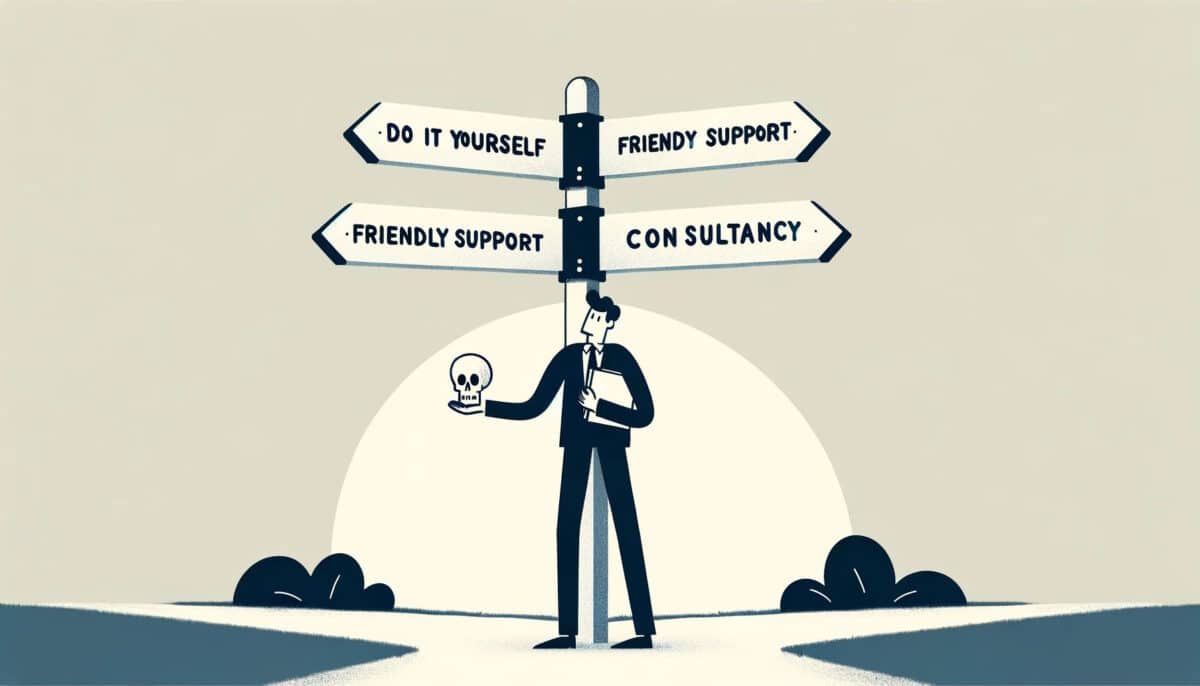
In the complex world of small and medium-sized enterprises (SMEs), mergers and acquisitions (M&A) present a critical challenge that can determine the success or failure of a company.
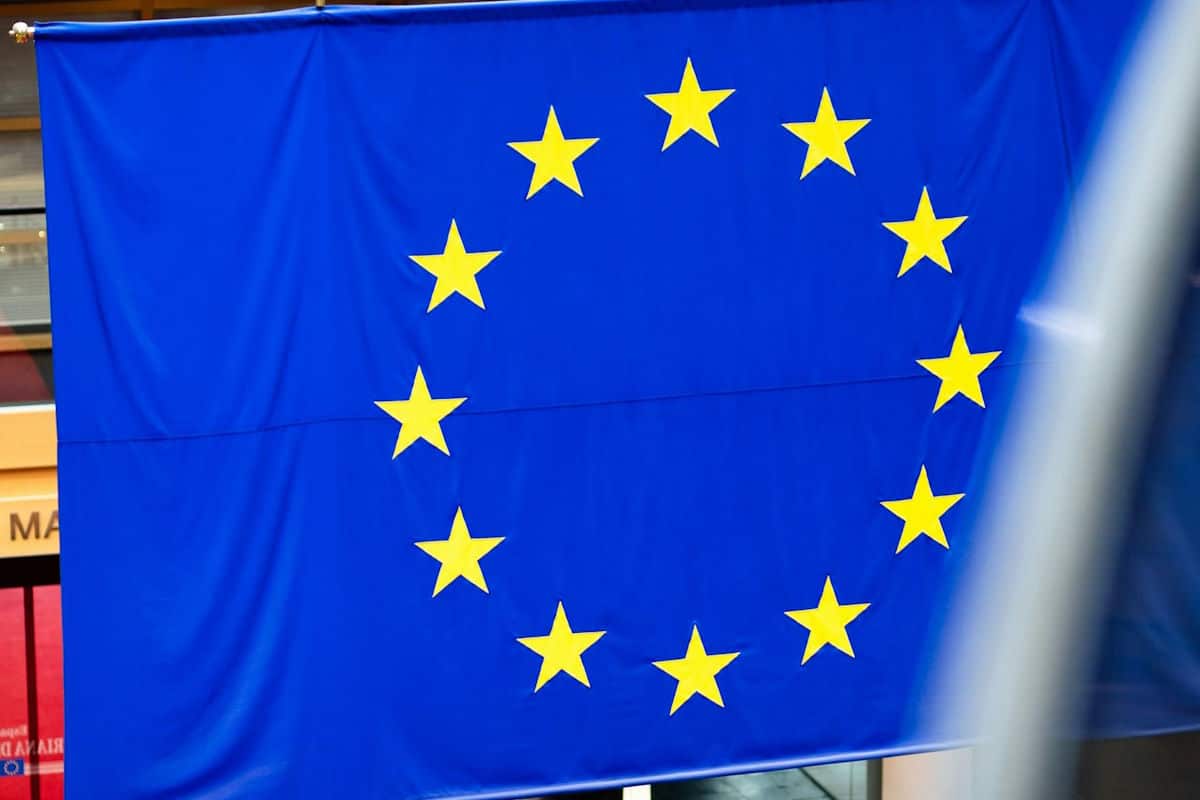
The EU Directive 2023/2775 of December 21, 2023, introduces significant changes to the size criteria for small and medium-sized enterprises (SMEs), in response to the inflation recorded in 2021 and 2022.
In mergers and acquisitions (M&A), an Information Memorandum (IM) is a crucial tool for attracting investors and potential buyers. This detailed document not only captures a company's essence but also elevates its perceived value, ensuring strategic interest and competitive offers. Drawing on Winnerge's experience, we will explore how an effective IM can positively impact the sales or acquisition process.
Selling your business: a decision always made after careful consideration, often influenced by external opinions that do not understand the true dynamics of the transition.
In 2019, an entrepreneur over the age of 75, whose children held senior positions within the company, engaged Winnerge to carry out a valuation based on 2018 financials. At that stage, it was recommended to postpone launching a sale process, as the digital assets under development had not yet demonstrated their full value.
In 2023, four years later, a new valuation requested by the entrepreneur and his children confirmed the initial expectations: the investments in digital assets had delivered positive results and increased the company’s value. Consequently, Winnerge updated the valuation and actively supported the negotiation process, which was successfully concluded at the target values.
Following the agreement, the entrepreneur’s children saw their experience and expertise formally recognized, securing key managerial roles in the company’s development within the group, with a long-term perspective.
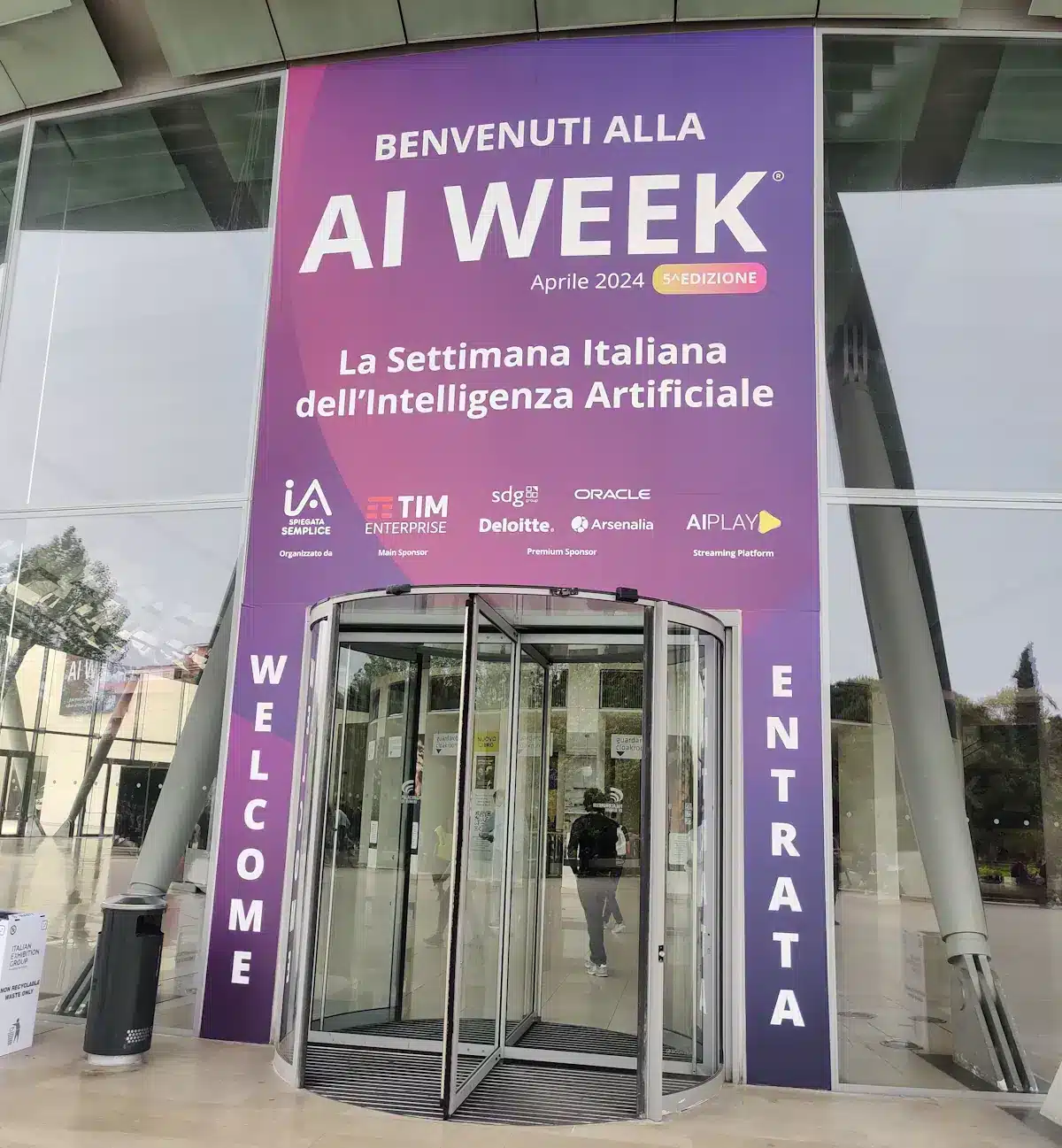
Artificial intelligence (AI) is no longer just a futuristic promise but a tangible reality that is reshaping the landscape of mergers and acquisitions (M&A), a sector in which Winnerge stands out for its proactivity and innovative vision.
The entrepreneur granted the mandate, requiring a minimum Equity Value for the 100% sale of shares, which the current company margins, inclusive of all compensation and benefits associated with the entrepreneur, would not have allowed to achieve.
Thanks to Winnerge, a strategy was adopted to simplify the entrepreneur’s role, adjusting the market value to the company’s limited size. This approach revealed the true value of the company, highlighting the worth of the efficient business model designed by the entrepreneur, focused on customer service, quality, and the resulting consistent positive cash flow generation.
This analysis facilitated the valuation of the company for a third-party investor, identified by Winnerge, structuring the transaction based on both the company’s value and the contribution of a remunerated, but time-limited, involvement from the entrepreneur. This ensured professional continuity and financial independence from the company once the sale was completed.