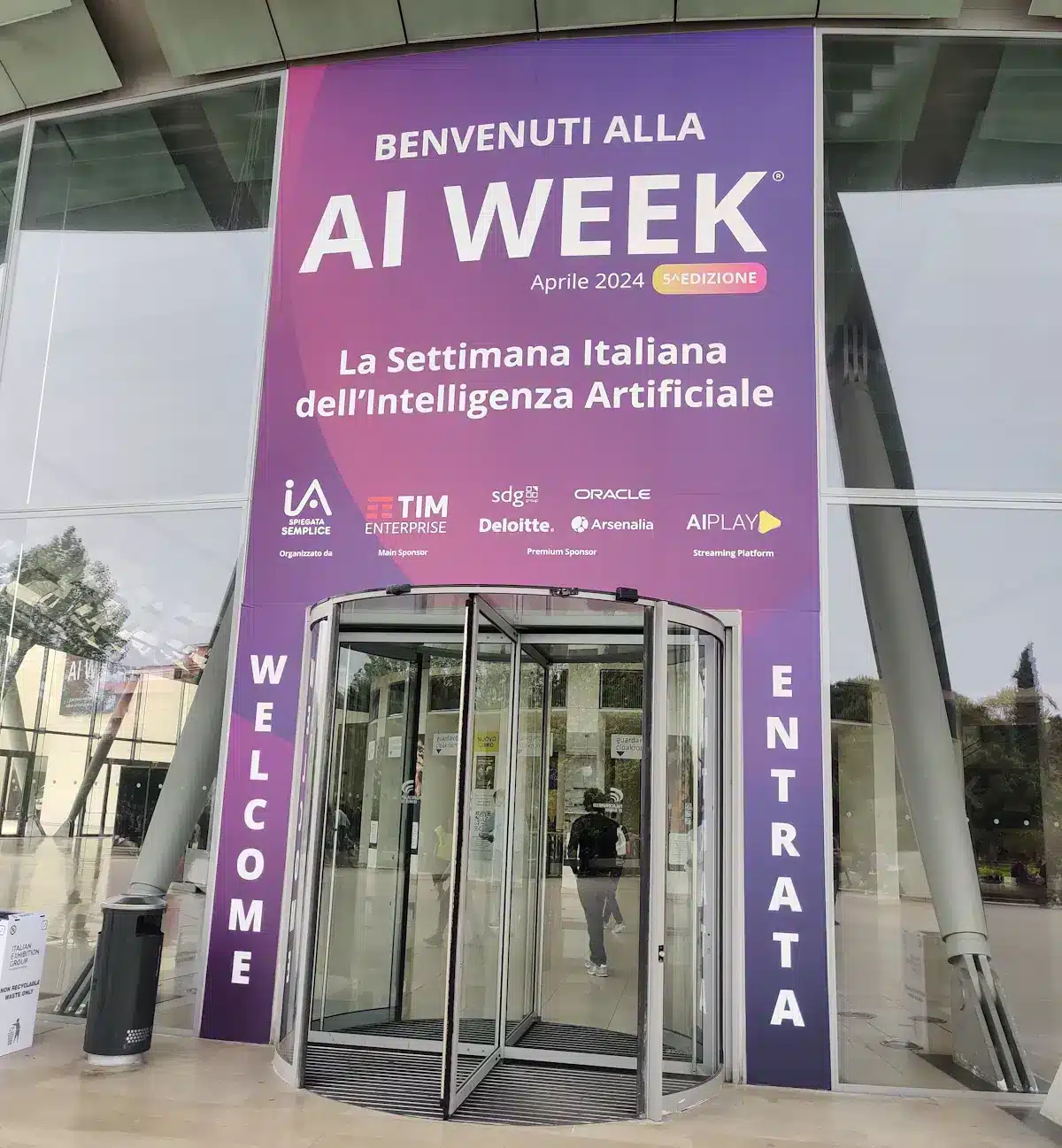

This year’s AI Week confirmed something Winnerge has known for a while: artificial intelligence is no longer a topic for futurists. It is a practical tool, already embedded in the daily workflow of those managing extraordinary transactions.


Selling a company is not just a financial transaction. It’s a complex, strategic and often emotionally charged process. Finding the right buyer is only one step.
The adoption of artificial intelligence (AI) is starting to transform merger and acquisition (M&A) processes. Although many companies are still in the early stages of implementation, emerging M&A technologies offer potential improvements in efficiency and value.
In the dynamic world of SMEs, the decision to sell a business is one of the most delicate and crucial moments for any entrepreneur. At Winnerge, we frequently meet entrepreneurs who express a desire to handle the sale of their company without involving the CFO. This decision could prove to be a serious mistake. Why?
In the complex world of small and medium-sized enterprises (SMEs), mergers and acquisitions (M&A) present a critical challenge that can determine the success or failure of a company.
Artificial intelligence (AI) is no longer just a futuristic promise but a tangible reality that is reshaping the landscape of mergers and acquisitions (M&A), a sector in which Winnerge stands out for its proactivity and innovative vision.