


15 October 2025
In SME M&A transactions, confidentiality is not a formality but a strategic necessity to protect company value.
In SME M&A transactions, confidentiality is not a formality but a strategic necessity to protect company value.

When an entrepreneur decides to sell their company, the choice of buyer is as crucial as the price. For SMEs, two of the most common counterparties are private equity funds and family offices.

In many business cultures, especially in Italy, selling a company to a direct competitor is still seen as a last resort. Entrepreneurs often fear it signals defeat, the loss of market control, or even the end of their legacy.

Selling is not always a farewell. Increasingly, especially in the context of Italian SMEs, a business sale becomes an opportunity to accelerate growth while keeping an active role in the company.

In recent years, more and more Italian SMEs have been approached by private equity funds. A phone call, an email, a LinkedIn message: "We’re interested in your company. Can we talk?"

When it comes to selling a company, the real question is not whether to sell, but to whom. Each buyer type, whether a private equity fund, an industrial partner or a direct competitor, has a unique approach to valuation and distinct goals for the company’s future.

Today, more than ever, Italian SMEs are at a critical crossroads: either evolve into acquirers by taking over other companies, or accept being acquired by larger and more structured players.
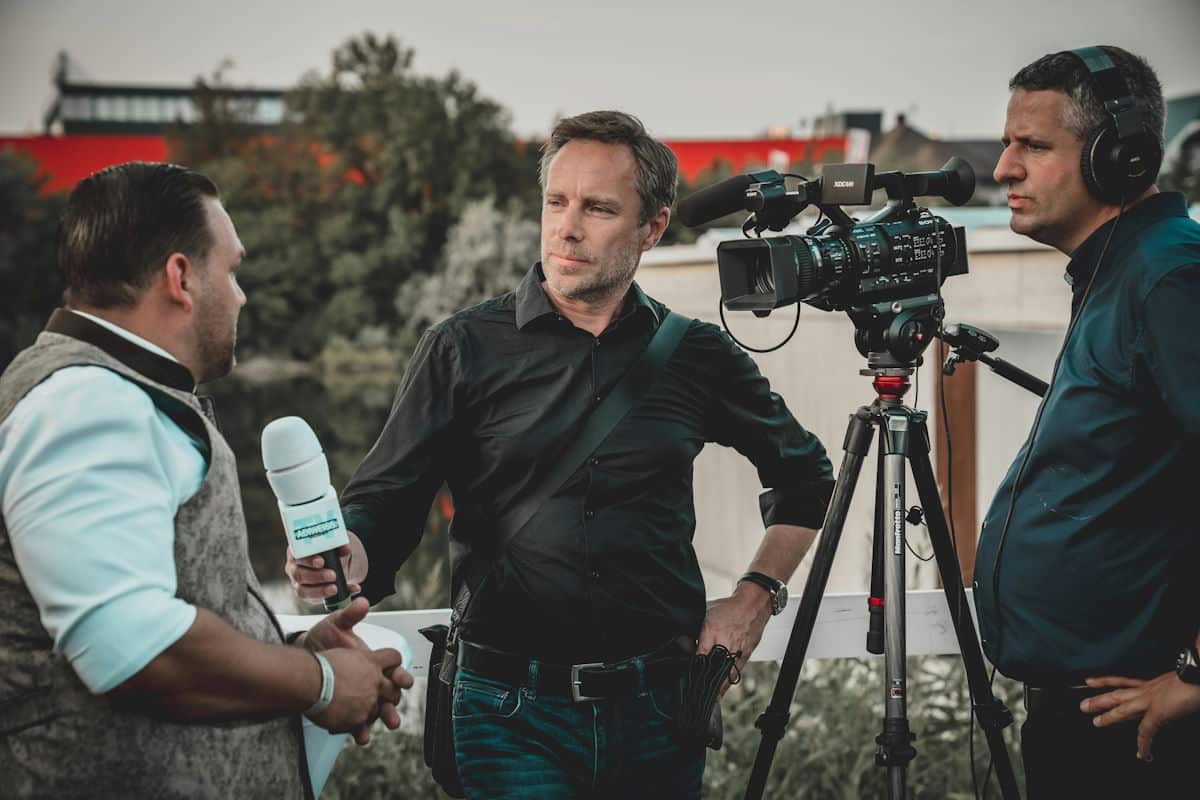
In selling a business, storytelling is a powerful yet often underestimated tool. According to an article by Dealroom, the ability to craft a compelling story can make the difference between securing a buyer or not.

There are several reasons why a manufacturing SMEs might decide to engage in a sell-side M&A process. Whether it's to sell a part or the entire business, or to integrate with a larger entity, each step of the process requires careful planning. In this article, we will explore the stages of selling, from strategic analysis to finding buyers, all the way to final negotiations, with the support of Winnerge experts.

The company comprised two operational units. The first, focused on a traditional business in a prolonged maturity phase, accounted for 80% of the revenue. The second, rapidly growing despite representing only 20% of the revenue, contributed 70% of the projected EBITDA. A potential buyer expressed interest in the growing unit, and the owners were inclined to accept the offer.
Winnerge assisted the entrepreneurs in:

