

The company is growing, but its machinery is ageing: when delayed investment reduces value
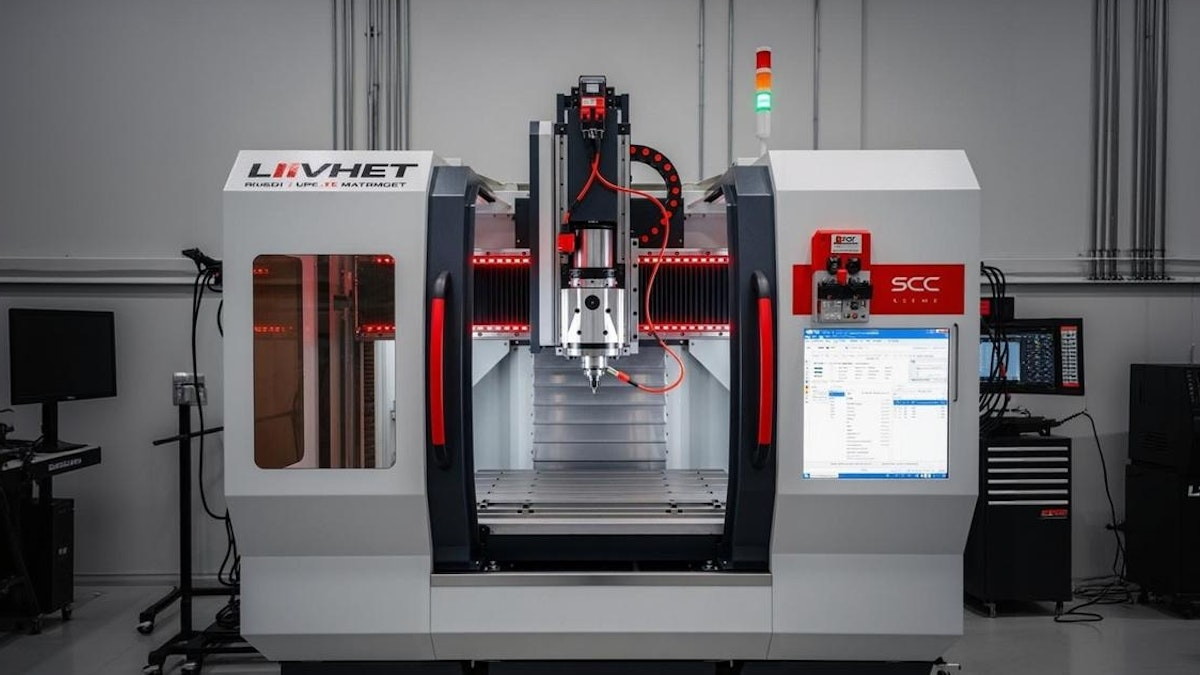
An SME can continue to grow without replacing its machinery. Equipment remains operational, production meets delivery deadlines and financial performance stays positive.
Postponing investment protects cash and can help preserve margins. When the company is put up for sale, however, the perspective changes.
Obsolete machinery in the sale of a company requires careful analysis. A buyer will consider not only the results already achieved, but also the resources needed to maintain them in the years ahead.
Ageing equipment, deferred maintenance and limited production capacity may require significant investment after closing. This can affect the company’s ability to generate cash, its valuation and the terms of the transaction.
When limited investment improves financial performance
Continuing to use fully depreciated machinery is not necessarily a negative sign.
Many machines remain reliable because of their build quality, regular maintenance and the expertise available within the company. Replacing equipment simply because it is old may not be the best use of capital if it continues to operate efficiently.
The problem arises when investment is avoided not because it is unnecessary, but because it has been postponed.
In this situation, the company may report strong margins partly because it has invested less than required to maintain its production facilities.
The financial performance is real, but it does not show how much cash will be needed to sustain it.
EBITDA and the company’s actual cash-generating capacity
Two companies with the same EBITDA can have very different financial prospects.
The first has efficient machinery, regular maintenance and available production capacity. The second operates equipment close to its limit and will need to make significant investments in the short term.
Their current financial results may be similar. The cash remaining after investment will not be.
A buyer will therefore analyse the relationship between profitability and future capital expenditure. If part of the EBITDA depends on delaying necessary investment, this will be taken into account in the valuation.
Future investment is not automatically deducted from the purchase price. Its impact depends on the amount, urgency and purpose of the expenditure. It is, however, one of the factors considered when determining the value of an SME beyond its EBITDA.
Maintenance investment and growth investment
Not all future investment has the same significance.
Maintenance investment is required to preserve the company’s current production capacity. It includes replacing unreliable machinery, reducing recurring failures and completing the upgrades needed to continue operating.
Growth investment is intended to increase volumes, introduce new processes or improve efficiency.
This distinction is important in an M&A transaction.
A buyer may be willing to invest in developing the company because the expenditure supports future results. Investment required only to maintain the revenue and margins already used in the valuation will be viewed differently.
If essential machinery must be replaced immediately after closing simply to continue serving existing customers, that expenditure will not finance future growth. It will protect the current level of business.
Obsolete machinery in the sale of a company: what buyers examine
The age of machinery alone does not determine the quality of a production facility. Older equipment may still be efficient, while newer machinery may not be suitable for the company’s needs.
During due diligence, a buyer will seek to understand:
- the actual condition of the machinery;
- the frequency of breakdowns and production stoppages;
- maintenance already completed and work that has been postponed;
- the availability of spare parts and technical support;
- compliance with safety and regulatory requirements;
- available production capacity;
- investment required over the following years.
A lack of reliable information can be more damaging than the age of the machinery itself.
If there are no maintenance records, downtime data or investment plans, the buyer will have to assess the risk through technical inspections and more cautious assumptions.
A documented maintenance programme can instead demonstrate that the equipment has been properly managed and remains capable of supporting production, even if it is not recent.
When production capacity is fully utilised
High machinery utilisation may initially appear positive. It shows that the company has orders and makes effective use of its resources.
If no spare capacity remains, however, future growth may require new machinery, additional space, more employees or a reorganisation of production flows.
The issue becomes particularly relevant when the business plan forecasts an increase in revenue that the existing production structure cannot support.
In this situation, the buyer must finance both the acquisition and the expansion of production. The time required to order, install and commission new machinery must also be considered.
This additional funding requirement may reduce the interest of some potential buyers or affect the price they are prepared to offer.
Deferred maintenance becomes a future cost
Postponing maintenance does not always have an immediate effect. The machinery continues to operate and the cost does not reduce the current year’s results.
Over time, however, neglected maintenance may increase breakdowns, reduce efficiency or lead to earlier replacement.
This requirement does not appear among the company’s financial liabilities, but it will still require cash to resolve.
During due diligence, the absence of documented maintenance can therefore create more concern than the age of the equipment. The buyer cannot estimate the risk accurately and is likely to take a more cautious approach.
The effect on price and negotiations
Future investment can affect the transaction in several ways:
- a lower proposed valuation;
- revised financial forecasts;
- a request to complete specific work before closing;
- deferred payments;
- a variable payment linked to future performance;
- more extensive technical due diligence.
The buyer will consider more than the purchase price of new machinery. Installation times, possible production stoppages and the risk of delayed customer deliveries will also be assessed.
The range of potential buyers may change as well.
An industrial group with its own facilities or available capacity may be able to integrate part of the production. An investor intending to keep the company independent will have to finance the full investment programme directly.
The issue is therefore not only how much the company is worth today. It is also how much capital will be required to acquire, maintain and develop it.
Is it worth investing before the sale?
Replacing machinery before selling the company is not always the best decision.
A significant investment may not be fully recovered through a higher sale price. The buyer may also prefer a different technology, change the production process or transfer some activities to another facility.
At the same time, postponing every intervention may weaken the transaction if business continuity is at risk.
Before making a decision, the company should distinguish between:
- investment required to maintain current operations;
- work that reduces immediate risks;
- investment that produces a measurable improvement in margins;
- expenditure linked to the buyer’s future industrial strategy.
In some cases, completing the investment before the sale will be appropriate. In others, it may be better to prepare a credible plan supported by quotations, implementation times and expected benefits.
Preparing production assets for due diligence
The production structure should be analysed before approaching potential buyers.
The company should assess the condition of its machinery, document maintenance activities, verify available capacity and identify the investment required over the following years.
The business plan must be consistent with this information. If it forecasts significant growth, it should explain how the existing production structure will support it and what additional resources will be needed.
Providing a clear picture from the outset allows the buyer to distinguish between investment required to maintain the business and expenditure connected with future development.
If these requirements emerge only during due diligence, they may create valuation differences, delay the process and weaken the seller’s negotiating position.
Frequently asked questions about machinery when selling a company
Does old machinery always reduce a company’s value?
No. Its actual condition, reliability, maintenance history and the investment required to continue production are more important than age alone.
Is future investment deducted from the purchase price?
Not automatically. It may affect the valuation when the amount is significant and the investment is necessary to maintain current results.
Is fully depreciated machinery a problem?
Not necessarily. Accounting depreciation does not correspond to the technical life of an asset. Fully depreciated machinery may remain efficient and reliable.
Should machinery be replaced before selling the company?
It depends on the purpose of the investment. Work required to ensure business continuity may strengthen the company, while investment connected with future growth may be left to the buyer’s industrial plan.
Conclusion
An SME can report strong results even after years of limited investment. The problem arises when part of its profitability depends on expenditure that can no longer be postponed.
Obsolete machinery in the sale of a company is not automatically an obstacle. It becomes a critical issue when urgent investment is required, growth is restricted or reliable information is unavailable.
A buyer will consider both EBITDA and the capital needed to continue generating it. Ageing machinery, deferred maintenance and limited production capacity can therefore affect the company’s value and the terms of the transaction.
A company does not need entirely new machinery before going to market. It does need a clear understanding of its future requirements, a distinction between essential and growth-related investment, and a credible plan.
Delayed investment does not disappear. To prevent it from reducing the company’s value, it should be identified and addressed before negotiations begin.
LOOKING FOR A CONFIDENTIAL MEETING WITH US?
Choose the channel you prefer for a first confidential contact.

